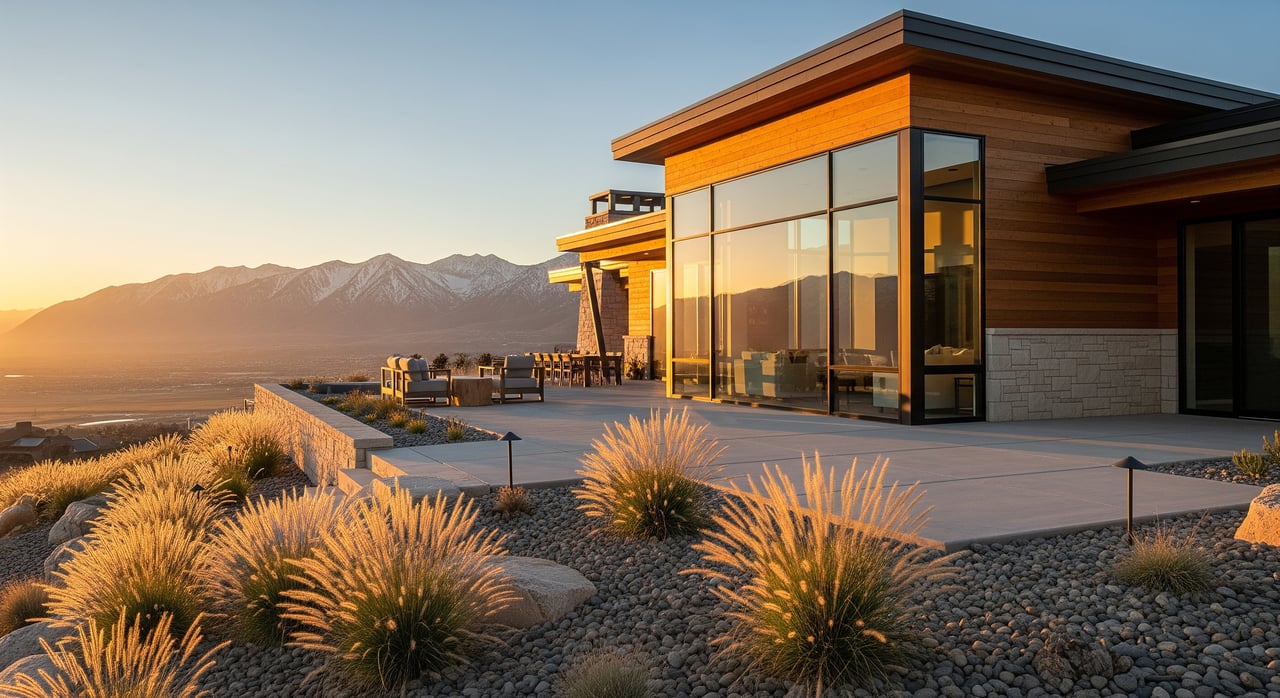
Trying to make sense of Utah County’s housing market? You are not alone. With rapid population growth, strong job centers, and shifting mortgage rates, conditions can change quickly. In this guide, you will learn what drives prices, inventory, and timing across cities like Lehi, Provo, Saratoga Springs, and Spanish Fork, plus what it means if you plan to buy or sell. Let’s dive in.
Price trends in context
Prices in Utah County climbed quickly through the 2010s and early 2020s. When mortgage rates rose in 2022, price growth cooled and buyers gained some leverage in select segments. Since then, price direction has depended on city, product type, and rate moves. Newer neighborhoods near major job hubs often see steadier demand.
What to watch:
- Median sale price and price per square foot trends by city.
- The sales-to-list price ratio as a signal of competition.
- Whether year-over-year changes are rising, flat, or easing in your target neighborhood.
Inventory and time on market
Active listings, new listings, and days on market shape your leverage. Months of supply shows balance: under roughly 4 to 6 months often favors sellers, while higher levels tilt toward buyers. Expect more activity in spring and summer, with slower fall and winter patterns.
Buyer tip: If months of supply is low in your segment, be ready for faster decisions and potential multiple-offer moments.
Seller tip: Balanced or rising inventory means pricing and presentation matter more to capture early attention.
New construction and permits
Builders have added subdivisions across the county, but the pace and location of starts vary. Saratoga Springs and Eagle Mountain have seen faster growth and offer different price points and commute tradeoffs. Near job centers in Lehi and American Fork, you will find new multifamily and master-planned communities that expand choices for both owners and renters.
Why it matters: New construction can ease pressure on prices in some areas, introduce incentives, and shift where buyers focus. Product mix also matters, from single-family homes to townhomes and apartments.
Rental and student housing dynamics
Provo and Orem have strong rental and student housing demand tied to nearby universities. This creates steady interest in 2-bedroom and larger rentals, with seasonal turnover patterns. Investor activity often follows vacancy rates and rent trends, especially near campus and transit.
If you are renting or investing: Track vacancy, median rents by bedroom count, and any local rules for student rentals and parking.
Affordability and financing
Mortgage rate swings have a clear impact on purchasing power. When rates rise, monthly payments increase and some buyers shift price bands or consider smaller homes. First-time buyers should review down payment assistance and loan options available through state or local programs.
Action steps:
- Get pre-approved and run payment scenarios at current and slightly higher rates.
- Ask about programs from state agencies that support first-time buyers.
- Align your target price band with a comfortable monthly payment and reserves.
Commute, transit, and amenities
The I-15 corridor is the primary commuter route in Utah County. FrontRunner and UVX bus rapid transit shape values near stations and major campuses. Access to Utah Lake, parks, hospitals, and retail centers also influences buyer interest and pricing.
Location lens: Proximity to employment nodes, transit, and daily amenities often supports stronger demand and faster resales.
Policy and planning to watch
Local zoning, ADU allowances, and impact fees can affect where and how fast builders add supply. Infrastructure timing, especially in emerging growth areas, influences builder activity and future values. Keep an eye on long-range planning and any shoreline or lake-area initiatives that may guide development.
Demographics and migration
Utah County’s population has grown quickly, with a younger median age and strong household formation. Job growth in tech, professional services, education, and health care supports both buying and renting. In some years, in-migration from other Western states adds to demand.
City-by-city snapshot
Every city moves at its own pace. Use this quick lens to frame your search or sale:
- Lehi and American Fork: Strong proximity to tech and professional jobs, newer subdivisions, and higher price tiers in many neighborhoods.
- Provo and Orem: Larger rental and student housing presence, mixed vintage housing, and steady investor interest in student-friendly layouts.
- Saratoga Springs and Eagle Mountain: Rapid growth, more new construction, and commute tradeoffs for buyers seeking value.
- Highland, Alpine, and Mapleton: Established higher-end neighborhoods with limited new inventory due to topography and land availability.
- Spanish Fork and Springville: Often present more approachable entry points, with growing retail and services.
What today’s trends mean for you
If you are buying:
- Fine-tune your budget with a current pre-approval and plan for rate moves.
- Compare resale and new construction, including builder incentives and timelines.
- Focus on city-level data and neighborhoods that match your commute and lifestyle.
- Use days on market and months of supply to time offers and negotiate.
If you are selling:
- Price to the most recent comparable sales and current active competition.
- Maximize first impressions with staging, professional photography, and video.
- Use a marketing plan that distributes your home beyond the MLS to find the right buyers fast.
- Adjust quickly if early traffic and feedback lag expectations.
How to approach the next 90 days
- If rates stabilize: Expect steady but selective demand. Well-priced homes in prime locations can move quickly.
- If rates rise: Buyers may shift price bands. Sellers should focus on standout presentation and competitive pricing.
- If rates dip: Watch for more buyer activity and potential multiple-offer situations in popular segments.
Seasonal shifts still matter. Spring and early summer often bring more listings and showings, while late summer and fall can create windows for buyers who prefer less competition.
Work with a team that moves the market
You deserve clear data, strong negotiation, and marketing that elevates your outcome. Our boutique team pairs white-glove prep with platform-native distribution so your listing stands out, or your search hits the mark quickly. When you are ready to plan your move in Utah County, connect with Utah’s Finest Realtors for tailored guidance and to get your instant home valuation.
FAQs
Is now a good time to buy a home in Utah County?
- It depends on your finances, rate tolerance, and city preference; align your budget with current mortgage scenarios, track months of supply in your target area, and be ready to act when the right home appears.
Are Utah County home prices still rising?
- Price direction varies by city and property type; some areas near job centers hold firmer, while others track rate changes more closely, so use recent, local comparables to set expectations.
How long does a typical home take to sell in Utah County?
- Time to sell depends on price point, location, and season; low months of supply often means faster sales, while higher-end segments and slower seasons can extend timelines.
Should I choose new construction or resale in Utah County?
- New builds can offer incentives, warranties, and modern layouts, while resale may give faster move-in and established neighborhoods; compare total costs, commute, and timing.
What programs can help first-time buyers in Utah County?
- Review state-sponsored down payment assistance and local city options, and work with a lender who can pair you with the right program for your income and goals.
Which Utah County areas are best for commuting to the tech corridor?
- Lehi and American Fork provide proximity to job centers, while Saratoga Springs and Eagle Mountain offer value with a commute tradeoff; also consider FrontRunner and UVX access for transit options.