Pricing a luxury home in Draper is not the same as pricing a typical suburban listing. Unique views, custom builds, and a smaller buyer pool can make the wrong price a costly mistake. If you want to maximize your sale price without languishing on the market, you need a clear, local plan. In this guide, you’ll learn how to define “luxury” for Draper, build a smart pricing range, and back it up with marketing that attracts qualified buyers. Let’s dive in.
What “luxury” means in Draper
Luxury is relative to the local market. A practical way to define it is by percentile, often the top 5 to 10 percent of Draper sales. That number moves with the market, so use current MLS data to compute the 90th percentile for Draper ZIP codes.
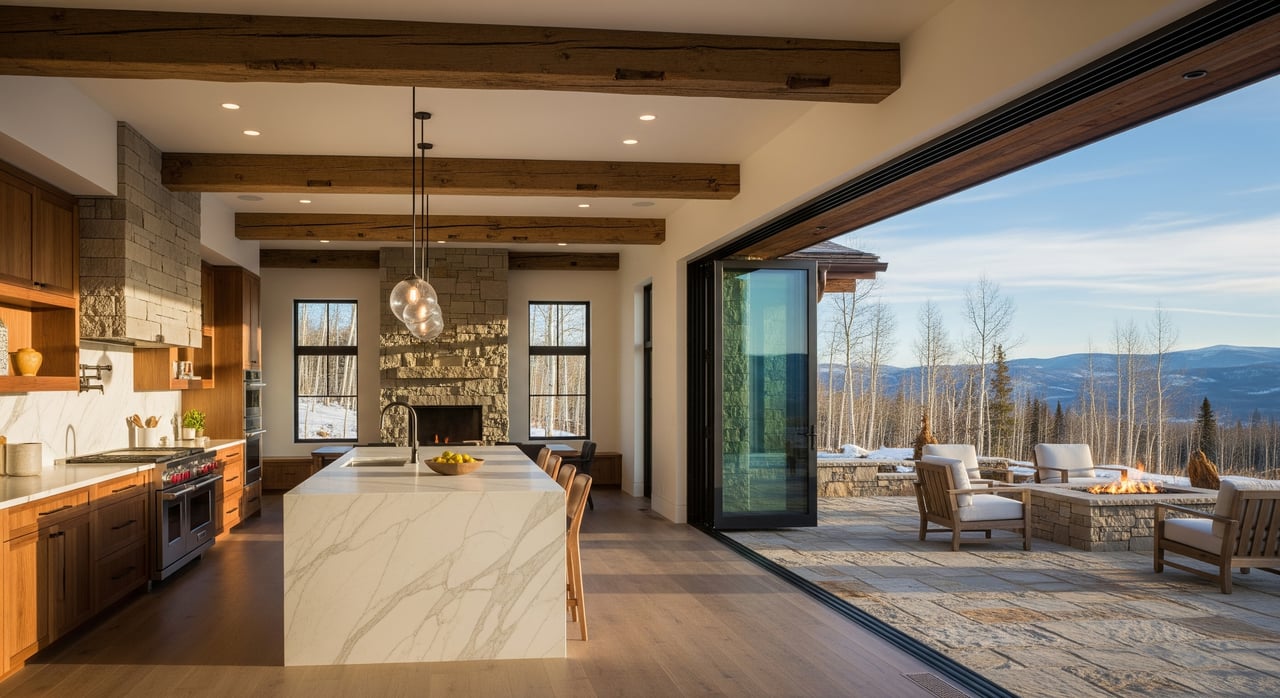
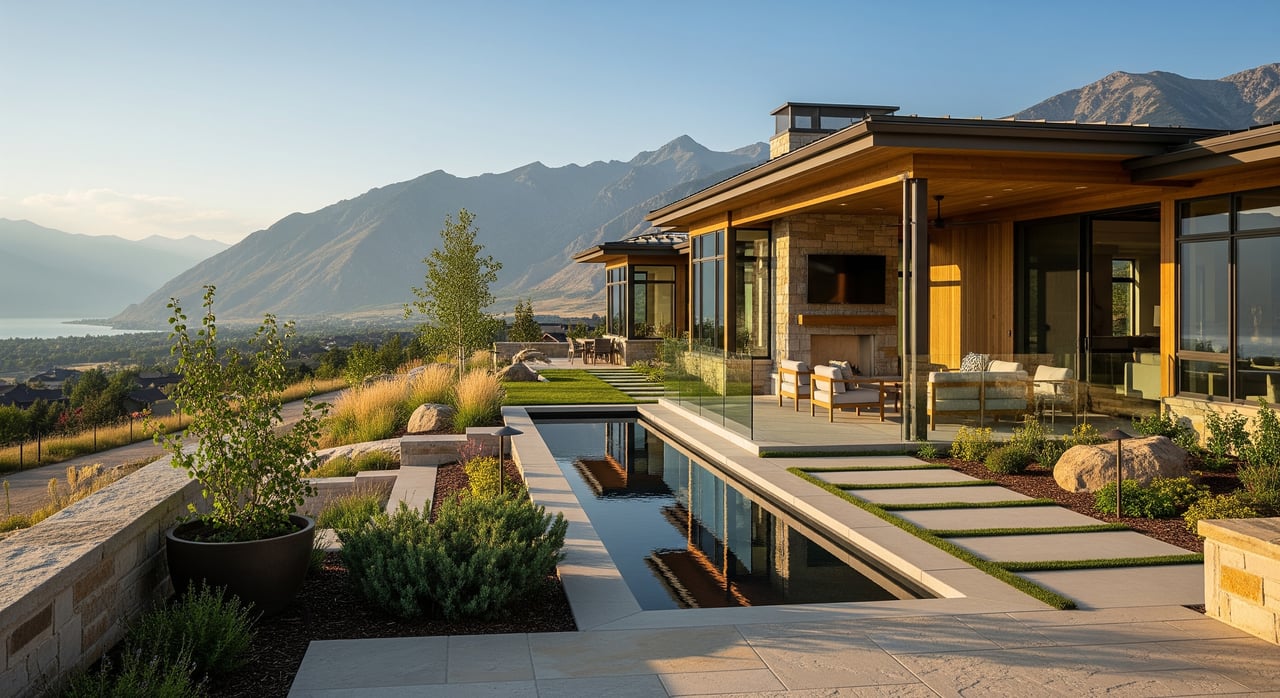
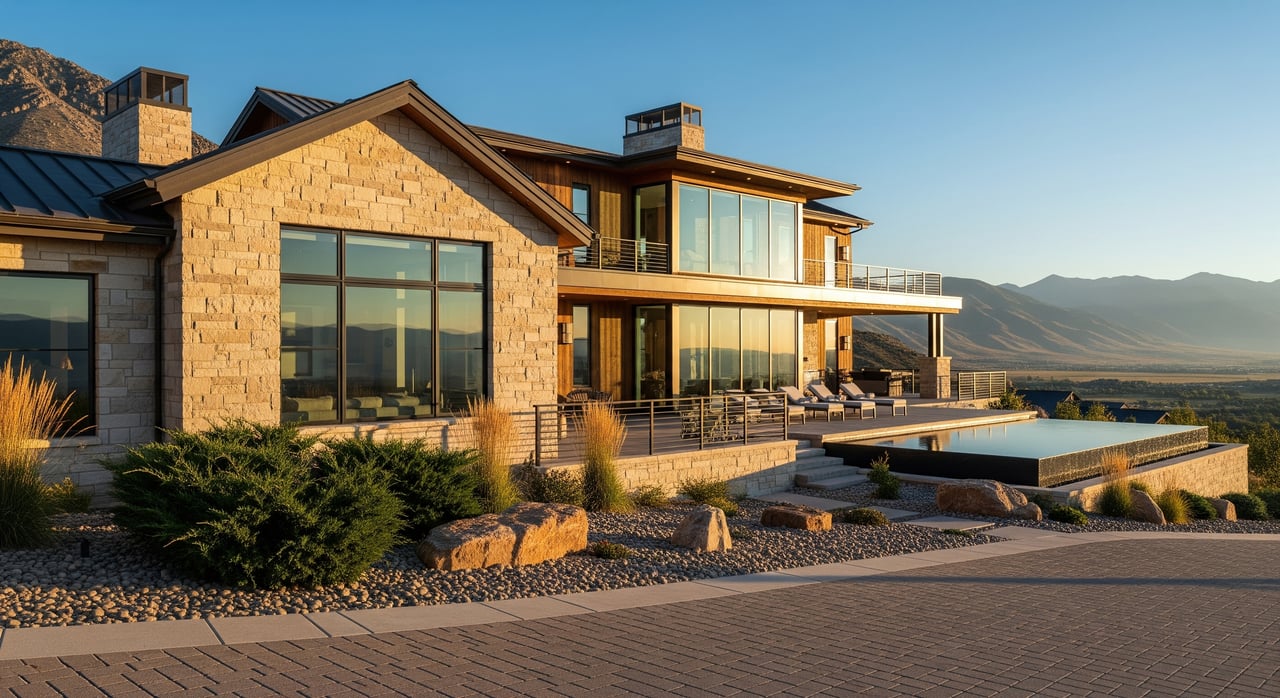
Features matter too. High-end finishes, custom design, large lots, exceptional Wasatch or valley views, guest houses, indoor pools, smart-home systems, wine rooms, and expansive square footage are common luxury markers.
This definition matters because pricing strategy and marketing differ from mainstream inventory. Buyer pools are smaller, comps are scarcer, and appraisal standards can be tighter, so your approach needs to be data-driven and nuanced.
Draper market forces that shape price
Draper benefits from steady demand tied to employment growth in the Salt Lake Valley and the Silicon Slopes tech corridor. Many buyers value short commutes, mountain access, and suburban amenities that support lifestyle decisions.
On the supply side, truly comparable luxury inventory is scarce. Custom homes and large parcels trade less frequently, which widens valuation ranges and increases the need for careful adjustments.
Seasonality still exists, with spring and early summer seeing more activity. That said, high-end purchases can be less seasonal because buyers are often motivated by lifestyle rather than timing alone.
Carrying costs and rules can influence price. Property taxes, HOA dues, and neighborhood-specific considerations should be transparent so buyers can evaluate total cost of ownership.
How to value your Draper luxury home
Start with a CMA, then expand
A Comparative Market Analysis is your foundation. For luxury, stretch your look-back window to 6 to 12 months or more and expand the geographic radius to include nearby bench areas with similar attributes. Make thoughtful adjustments for view, lot size, finishes, age, condition, and unique amenities like theaters or guest houses.
Treat price per square foot as a check, not a rule
Price per square foot is a quick yardstick, but it breaks down with high-end design and specialty spaces. Use it as a cross-check alongside your more detailed analysis.
Estimate replacement cost as a floor
When comps are thin, estimate replacement cost. Combine land value with current construction costs for an equivalent home. This can anchor your lower bound, especially for newer custom builds.
Weigh scarcity premiums
Irreplaceable views, very large lots, and one-of-a-kind architecture can justify a premium. This is subjective and should be supported by buyer feedback and market response.
Prepare for appraisal scrutiny
Appraisers rely on comps and may be conservative when data is limited. Create a package that documents upgrades, specialized systems, replacement-cost estimates, permits, and a comp set with your adjustments. This helps defend your price if the buyer uses financing.
A simple 7-step pricing game plan
- Define your market slice
- Pull recent Draper sales and compute the 90th percentile to set a local luxury threshold.
- Gather a robust comp set
- Aim for 6 to 12 luxury comps across 6 to 12 months, expanding to nearby bench areas when needed.
- Adjust for the big drivers
- View corridor, lot size and usability, architecture, finishes, age, and condition carry the most weight.
- Cross-check with new-build options
- Compare against current custom or new-build listings to understand replacement-cost and amenity premiums.
- Set a pricing range
- Establish a conservative floor (replacement cost), a market-aligned mid, and a stretch price only if justified by scarcity and time.
- Test the market early
- Watch showings, feedback, and online interest in the first 2 to 4 weeks. Be ready to adjust if qualified traffic is light.
- Align terms and proof of funds
- Require pre-approval or proof of funds for showings or offers. Consider favorable terms that keep your price intact.
Pricing strategy that works
Position at market to attract qualified buyers
Listing at a competitive market price typically drives more serious activity and reduces days on market. Overpricing can lead to fewer showings, longer timelines, and visible price reductions that can hurt leverage.
Consider aspirational pricing only in select cases
If the property has truly unique appeal and you have time, a higher price can be tested. Use premium presentation, targeted outreach, and expect a longer runway. Monitor feedback closely.
Use price bands wisely
Be aware of common search thresholds. Position near natural breakpoints when it supports visibility, but do not let this override market reality.
Marketing and presentation that justify price
Premium pricing works when presentation matches value. For luxury listings, high-impact marketing is essential:
- Professional photography with drone and video to capture views and lot features.
- Detailed floor plans and virtual tours for clarity and convenience.
- High-end staging to highlight scale, light, and flow.
- Targeted outreach to local and out-of-area buyers, plus broker-to-broker exposure.
- Private showings and discreet pre-market options for privacy-sensitive clients.
This is where a boutique, marketing-driven approach shines. With white-glove seller services, professional staging, photography, and a custom listing video for every property, plus social-first distribution that amplifies exposure beyond the MLS, you can reach qualified buyers faster and support a premium price.
Financing, inspections, and terms that influence price
Jumbo financing and proof of funds
Many luxury buyers use jumbo loans or cash. Jumbo loans involve stricter underwriting and rigorous appraisals. Require pre-approvals or proof of funds before confirming showings or accepting offers.
Inspections for complex systems
Luxury homes often include advanced systems like home automation, pools, solar, or specialized HVAC. Provide documentation, recent service records, and consider specialist inspections ahead of listing to remove buyer objections.
Smart incentives without undercutting price
Rate buydowns, closing credits, or including select high-end appliances can help close gaps. Keep incentives transparent and focused on terms rather than cutting list price too quickly.
Clarify net proceeds and timelines
Estimate your net after commissions, closing costs, taxes, and any liens. Align your pricing and timing with your financial goals and move-out plans.
Neighborhood details and disclosures
Be clear about HOA dues, neighborhood guidelines, and any local impact fees. Verify zoning, permits for additions or accessory structures, and any assessments that could affect value or use. Transparency here builds trust and supports your price.
Common mistakes to avoid
- Relying only on price per square foot without adjusting for view, lot, and finishes.
- Ignoring replacement cost when comps are sparse.
- Overpricing early and chasing reductions as days on market climb.
- Skipping staging, video, or floor plans on a high-value listing.
- Accepting offers without solid proof of funds or pre-approval.
- Waiting too long to respond to market feedback.
When an aspirational price can work
- Your home offers a rare combination of view, lot size, design, or awards that is hard to replicate.
- You have flexibility on timing and are prepared for a longer market period.
- Your marketing plan includes premium content, targeted outreach, and broker networking to reach niche buyers.
- You will track feedback and adjust if qualified activity is not materializing.
Your next step
Pricing a luxury home in Draper is a blend of market data, replacement-cost logic, and presentation that earns a premium. If you want a clear, data-backed strategy and a marketing plan built for high-end results, reach out to the team that pairs boutique service with modern distribution. Connect with Utah's Finest Realtors to get started.
FAQs
How do you define a luxury home in Draper?
- Use a local percentile approach, typically the top 5 to 10 percent of recent Draper sales by price, then layer in features like custom design, views, and lot size.
What if my custom home has few comparable sales?
- Combine a broader CMA, a replacement-cost estimate, and appraiser input, and document upgrades and permits to support the value.
Do views or large lots increase price?
- Yes. Irreplaceable views and larger, usable lots often command a scarcity premium, supported by buyer interest and feedback.
Should I price high to leave room to negotiate?
- It depends. Overpricing can lengthen days on market and lead to reductions. Market-aligned pricing usually attracts more serious buyers faster.
How do jumbo loans and appraisals affect my sale?
- Jumbo financing brings stricter underwriting and conservative appraisals. Require strong pre-approvals and prepare a comp package to support value.
How important is staging and video for luxury listings?
- Very important. Professional staging, high-end photography, video, and floor plans help buyers feel the home’s value and support premium pricing.